Jangan anggap sepele suatu makanan, karena banyak manfaat selain untuk "energi" kita sehari-hari.
Kita sering mengalami suasana hati yang buruk (bad mood) bete, murung
atau kesel. Dan makanan - makanan cepat saji (junk food) malah akan
membuat kesehatan lebih buruk,dan itu pastinya akan membuat mood kita
juga kian buruk.
Tapi bagaimana jika ada makanan yang sehat, dan juga dapat bertindak
sebagai anti-depresan alami? Adakah makanan yang memenuhi kualifikasi
ini? Berikut adalah 10 makanan terbaik, yang akan membuat Anda lebih
gembira / bahagia, sekaligus membuat Anda sehat: 1. Madu
Dalam hal kesehatan, madu jauh lebih baik daripada gula
biasa. Madu mengandung kaempferol dan quercetin, yang membantu untuk
mencegah depresi (dan menjaga otak sehat) dengan mengurangi peradangan
di otak.
Madu juga tidak akan mengirim tubuh Anda ke mode "penimbun lemak" yang biasanya dilakukan gula biasa. 2. Remis
Remis memiliki tingkat menengah sampai jumlah tinggi vitamin
B12, Selenium, Yodium, protein, dan zinc, sedangkan kadar yang rendah
dari remis adalah kalori dan lemak.
Yodium ini membantu, seperti yang disebutkan sebelumnya, mendukung
kelenjar tiroid, yang membantu mengatur suasana hati dan berat badan,
Selenium dan Zinc membantu kelenjar tiroid, juga.
Vitamin B12 membantu untuk memperkuat dan melindungi sel otak , yang
menjaga otak tetap tajam (nggak pikun) dari waktu ke waktu.
Catatan: Pastikan untuk makan kerang dari budidaya daripada kerang liar,
karena hal ini tidak hanya akan menguntungkan kesehatan Anda, namun
kesehatan lingkungan juga. 3. Coklat murni
Coklat murni memiliki manfaat yang tidak dipunyai susu dan
coklat Jerman . Coklat murni meningkatkan aliran darah ke otak, dan
memberikan dorongan instan konsentrasi dan suasana hati.
Ini akan membantu Anda merasa lebih energik dan bersemangat. Namun,
jangan berlebihan: The "Journal of Psychopharmacology" mengatakan bahwa
semua yang Anda butuhkan adalah beberapa ons cokelat murni setiap hari
untuk menuai keuntungan. 4. Asparagus
Asparagus memiliki kadar folat dan triptofan yang tinggi,
menurut penelitian terbaru,Rendahnya tingkat folat dalam tubuh seseorang
dikaitkan dengan depresi pada setengah dari semua kasus depresi, .
Triptofan juga digunakan oleh otak untuk membuat serotonin, yang
merupakan salah satu penyebab utama suasana hati, di otak manusia dengan
menstabilkan kadar neurotransmitter.
Catatan: kalkun juga merupakan sumber tryptophan.Meskipun kalkun
dikenalmembuat orang mengantuk , triptofan membutuhkan kalori untuk
mengaktifkan efek seperti obat penenang. 5. Telur
Telur mengandung kadar menengah sampai tinggi Seng, Vitamin B, Yodium, Omega-3 Asam Lemak, dan protein.
Telur tidak hanya dapatmembuat Anda bersemangat, telur juga dapat
membuat Anda penuh kenyang lebih lama! Sebuah penelitian di tahun 2008
dalam "International Journal of Obesity" menemukan bahwa orang yang
sarapan dengan telur akan lebih langsing, dibandingkan dengan mereka
yang makan bagel untuk sarapan. 6. Kelapa
Terlepas dari kenyataan bahwa bahan dari kelapa yang sering
ditemukan dalam makanan penutup adalah tidak sehat, kelapa memang
mengandung trigliserida . Medium-chain trigliserida adalah lemak khusus
yang memicu suasana hati yang lebih baik dan mempromosikan otak agar
lebih sehat.
Catatan: Santan, di sisi lain, sebenarnya kurang sehat. 7. Tomat Cherry
Semua tomat memiliki substansi yang dikenal dengan
likopen.Lycopene adalah antioksidan yang melawan peradangan di otak dan
melindungi otak. Untuk hasil terbaik, dianjurkan juga mengkonsumsinya
dengan minyak zaitun, minyak zaitun membantu untuk meningkatkan
penyerapan likopen. 8. Swiss Chard
Sayuran yang jarang dipakai ini mengandung banyak magnesium.
Magnesium adalah nutrisi yang merupakan bagian penting dari reaksi
biokimia yang meningkatkan tingkat energi dalam tubuh manusia.
Sebuah studi tahun 2009 dalam "Australian and New Zealand Journal of
Psychiatry” menemukan bahwa kadar magnesium yang lebih rendah di dalam
tubuh berkaitan dengan tingkat depresi yang tinggi. 9. Kentang Biru
Kentang biru bukan benar-benar produk yang biasa ditemukan di
pasar tradisonal. Namun, kentang biru memiliki antioksidan kuat yang
dikenal sebagai anthocyanin; anthocyanin memberikan kualitas
neuro-protektif, seperti mengurangi peradangan otak yang umumnya terkait
dengan depresi, dan meningkatkan memori jangka pendek. Kelenjar tiroid
Anda akan tetap terjaga, karena yodium yang ada dalam kulitnya. 10. Yogurt Yunani
Kalsium - yang sangat banyak terkandung dalam yogurt Yunani
(lebih dari susu) - membantu otak kita melepaskan neurotransmitter
(perangsang kebahagiaan). Yoghurt Yunani juga memiliki protein lebih
dari yoghurt biasa, yang membuat penurunan berat badan lebih mudah.
----------------------Benzodiazepine
Dose----------Comparative Time to peak plasma level------------------------Half
Life Alprazolam----------------.5------------------------------------------------1
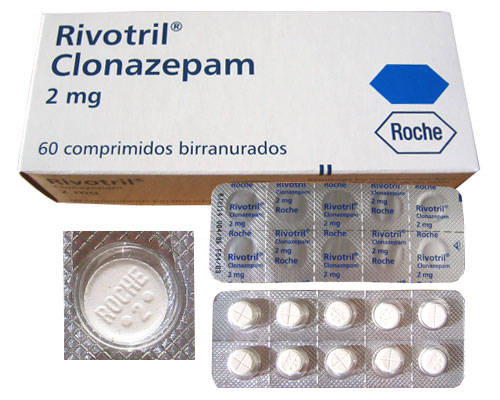
- 2-----------------------------------------------9 - 20 Clonazepam--------------.25-----------------------------------------------1
- 4----------------------------------------------19 - 60
This chart (from the above link) looks for the
equivalent dose of a given benzo to equal 5 mg of diazepam (valium).
So, you need .5mg of alprazolam (xanax) to equal 5
mg of valium, but you only need .25 mg of clonazepam (klonopin) to equal 5 mg
of valium.
The klonopin is, as you said, slower in action. it
takes up to 4 hours to reach full effect where the xanax will be in full effect
by 2 hours at the latest.
However, klonopin has amuchlonger
half life than xanax, so it will stay in your system longer. The long half life
of klonopin is why doctors like it. You are less likely to become addicted to
it as you do not need to continually take more klonopin throughout the day to
keep anxiety at bay, so you don't get into the habit of "popping
pills" and you don't experience break-through anxiety.
As for getting the same feel from klonopin as you
get from xanax... there is another reason doctors prefer klonopin and that is
that xanax has a mild euphoric effect that klonopin and other benzos do not
have. That mild euphoria increases the chance that patients will become
habituated to and possibly misuse their medication. So, basically, klonopin is
actually stronger than xanax in terms of efficacy, but if what you are looking
for is that mild euphoria, (which isn't what benzos are for) you can't replicate
that.
There are marked
differences in the knowledge on the medical uses of cannabis and cannabinoids
in different diseases. For nausea and vomiting associated with cancer
chemotherapy, anorexia and cachexia in HIV/AIDS, chronic, especially neuropathic
pain, spasticity in multiple sclerosis and spinal cord injury there is strong
evidence for medical benefits. For many other indications, such as epilepsy,
pruritus and depression there is much less available data. However, the
scientific evidence for a specific indication does not necessarily reflect the
actual therapeutic potential for a given disease.
Clinical studies with single cannabinoids or
whole plant preparations (smoked cannabis, cannabis extract) have often been
inspired by positive anecdotal experiences of patients employing crude cannabis
products. The anti-emetic, the appetite enhancing, relaxing effects, analgesia,
and therapeutic use in Tourette's syndrome were all discovered in this manner.
Incidental observations have also revealed
therapeutically useful effects. This occurred in a study with patients with
Alzheimer's disease wherein the primary issue was an examination of the
appetite-stimulating effects of THC. Not only appetite and body weight
increased, but disturbed behaviour among the patients also decreased. The
discovery of decreased intraocular pressure with THC administration in the
beginning of the 1970s was also serendipitous. Additional interesting
indications that have not been scientifically investigated, but remain common
problems in modern medicine may benefit from treatment with cannabis or
cannabinoids. For this reason, surveys have been conducted questioning
individuals that use cannabis therapeutically. They were conducted either as
oral non-standardized interviews in the course of investigations of state or
scientific institutions (House of Lords Select Committee on Science and
Technology in the UK, Institute of Medicine in the USA) on the therapeutic
potential of cannabis or as anonymous surveys using standardized
questionnaires.
Treatment of side effects
associated with antineoplastic therapy is the indication for cannabinoids which
has been most documented, with about 40 studies (THC, nabilone, other THC
analogues, cannabis). Most trials were conducted in the 1980s. THC has to be
dosed relatively highly, so that resultant side effects may occur comparatively
frequently. THC was inferior to high-dose metoclopramide in one study. There
are no comparisons of THC to the modern serotonin antagonists. Some recent
investigations have shown that THC in low doses improves the efficacy of other
antiemetic drugs if given together. In folk medicine cannabinoids are popular
and are often used in other causes of nausea including AIDS and hepatitis.
An appetite enhancing
effect of THC is observed with daily divided doses totalling 5 mg. When
required, the daily dose may be increased to 20 mg. In a long-term study of 94
AIDS patients, the appetite-stimulating effect of THC continued for months,
confirming the appetite enhancement noted in a shorter 6 week study. THC
doubled appetite on a visual analogue scale in comparison to placebo. Patients
tended to retain a stable body weight over the course of seven months. A
positive influence on body weight was also reported in 15 patients with
Alzheimer's disease who were previously refusing food.
In many clinical trials of
THC, nabilone and cannabis, a beneficial effect on spasticity caused by
multiple sclerosis or spinal cord injury has been observed. Among other
positively influenced symptoms were pain, paraesthesia, tremor and ataxia. In
some studies improved bladder control was observed. There is also some
anecdotal evidence of a benefit of cannabis in spasticity due to lesions of the
brain.
There are some positive
anecdotal reports of therapeutic response to cannabis in Tourette's syndrome,
dystonia and tardive dyskinesia. The use in Tourette's syndrome is currently
being investigated in clinical studies. Many patients achieve a modest
improvement, however some show a considerable response or even complete symptom
control. In some MS patients, benefits on ataxia and reduction of tremor have
been observed following the administration of THC. Despite occasional positive
reports, no objective success has been found in parkinsonism or Huntington
disease. However, cannabis products may prove useful in levodopa-induced
dyskinesia in Parkinson disease without worsening the primary symptoms.
Large clinical studies
have proven analgesic properties of cannabis products. Among possible
indications are neuropathic pain due to multiple sclerosis, damage of the
brachial plexus and HIV infection, pain in rheumatoid arthritis, cancer pain,
headache, menstrual pain, chronic bowel inflammation and neuralgias.
Combination with opioids is possible.
In 1971, during a
systematic investigation of its effects in healthy cannabis users, it was
observed that cannabis reduces intraocular pressure. In the following 12 years
a number of studies in healthy individuals and glaucoma patients with cannabis
and several natural and synthetic cannabinoids were conducted. cannabis
decreases intraocular pressure by an average 25-30%, occasionally up to 50%.
Some non-psychotropic cannabinoids, and to a lesser extent, some
non-cannabinoid constituents of the hemp plant also decrease intraocular
pressure.
The use in epilepsy is
among its historically oldest indications of cannabis. Animal experiments
provide evidence of the antiepileptic effects of some cannabinoids. The
anticonvulsant activity of phenytoin and diazepam have been potentiated by THC.
According to a few case reports from the 20th century, some epileptic patients
continue to utililize cannabis to control an otherwise unmanageable seizure
disorder. Cannabis use may occasionally precipitate convulsions.
Experiments examining the
anti-asthmatic effect of THC or cannabis date mainly from the 1970s, and are
all acute studies. The effects of a cannabis cigarette (2% THC) or oral THC (15
mg), respectively, approximately correspond to those obtained with therapeutic
doses of common bronchodilator drugs (salbutamol, isoprenaline). Since
inhalation of cannabis products may irritate the mucous membranes, oral administration
or another alternative delivery system would be preferable. Very few patients
developed bronchoconstriction after inhalation of THC.
According to historical
and modern case reports cannabis is a good remedy to combat withdrawal in
dependency on benzodiazepines, opiates and alcohol. For this reason, some have
referred to it as a gateway drug back. In this context, both the reduction of
physical withdrawal symptoms and stress connected with discontinuance of drug abuse
may play a role in its observed benefits.
An improvement of mood in
reactive depression has been observed in several clinical studies with THC.
There are additional case reports claiming benefit of cannabinoids in other
psychiatric symptoms and diseases, such as sleep disorders, anxiety disorders,
bipolar disorders, and dysthymia. Various authors have expressed different
viewpoints concerning psychiatric syndromes and cannabis. While some emphasize
the problems caused by cannabis, others promote the therapeutic possibilities.
Quite possibly cannabis products may be either beneficial or harmful, depending
on the particular case. The attending physician and the patient should be open
to a critical examination of the topic, and a frankness to both possibilities.
In a number of painful
syndromes secondary to inflammatory processes (e.g. ulcerative colitis,
arthritis), cannabis products may act not only as analgesics but also
demonstrate anti-inflammatory potential. For example, some patients employing
cannabis report a decrease in their need for steroidal and nonsteroidal
anti-inflammatory drugs. Moreover there are some reports of positive effects of
cannabis self-medication in allergic conditions. It is as yet unclear whether
cannabis products may have a relevant effects on causative processes of
autoimmune diseases.
There are a number of positive patient reports on
medical conditions that cannot be easily assigned to the above categories, such
as pruritus, hiccup, ADS (attention deficit syndrome), high blood pressure,
tinnitus, chronic fatigue syndrome, restless leg syndrome, and others. Several
hundreds possible indications for cannabis and THC have been described by
different authors. For example, 2,5 to 5 mg THC were effective in three
patients with pruritus due to liver diseases. Another example is the successful
treatment of a chronic hiccup that developed after a surgery. No medication was
effective, but smoking of a cannabis cigarette completely abolished the
symptoms.
Cannabis products often show very good effects
in diseases with multiple symptoms that encompassed within the spectrum of THC
effects, for example, in painful conditions that have an inflammatory origin
(e.g., arthritis), or are accompanied by increased muscle tone (e.g., menstrual
cramps, spinal cord injury), or in diseases with nausea and anorexia
accompanied by pain, anxiety and depression, respectively (e.g. AIDS, cancer,
hepatitis C).
Nitrazepam
(Nite-raz-ep-am) is a medicine which is used in sleeping problems.
The
information in this Medicine Guide for nitrazepam varies according to the
condition being treated and the particular preparation used.
Your medicine
Nitrazepam
should only be used at the lowest possible dose and for a maximum of up to four
weeks. This will reduce the chance of tolerance, dependence and withdrawal
symptoms.
Some
people, in the course of taking Nitrazepam for a sleeping problem, may find
that an undiagnosed psychiatric condition, such as depression, becomes
apparent. People who have a psychiatric condition and who are taking Nitrazepam
may experience some changes in behaviour.
It is
essential to get at least seven or eight hours continuous and uninterrupted
sleep after taking Nitrazepam. If you are woken before this time has passed,
Nitrazepam may cause you to have some memory problems. You may have no memory
of what happened from the time you were woken until the time when the effects of
this medicine have worn off.
Do not
share your medicine with other people. It may not be suitable for them and may
harm them.
The
pharmacy label on your medicine tells you how much medicine you should take. It
also tells you how often you should take your medicine. This is the dose that
you and your prescriber have agreed you should take. You should not change the
dose of your medicine unless you are told to do so by your prescriber.
If you
feel that the medicine is making you unwell or you do not think it is working,
then talk to your prescriber.
Whether this medicine is suitable for you
Nitrazepam
is not suitable for everyone and some people should never use it. Other people
should only use it with special care. It is important that the person
prescribing this medicine knows your full medical history.
Your
prescriber may only prescribe this medicine with special care or may not
prescribe it at all if you:
·are allergic or sensitive to or have had a bad reaction to
benzodiazepines in the past
·are allergic or sensitive to or have had a reaction to any of
the ingredients in the medicine
·are debilitated
·are elderly
·have a personality disorder
·have a phobic or obsessional disorder
·have abused alcohol in the past
·have anxiety with depression
·have been treated with Nitrazepam over a long period of time
·have breathing problems
·have depression
·have had a recent loss or bereavement
·have kidney problems
·have liver problems
·have lung problems
·have misused drugs in the past
·have myasthenia gravis
·have organic brain syndrome
·have psychosis
·have sleep apnoea syndrome
Nitrazepam is not used
in children.
Over time it is possible that Nitrazepam can become unsuitable
for some people, or they may become unsuitable for it. If at any time it
appears that Nitrazepam has become unsuitable, it is important that the
prescriber is contacted immediately.
Alcohol
Alcohol can interact with certain medicines.
In the case of Nitrazepam:
·alcohol may increase the sedative effects of Nitrazepam
You must not drink any alcohol if you are taking this medicine.
Diet
Medicines can interact with certain foods. In some cases, this
may be harmful and your prescriber may advise you to avoid certain foods.
In the case of Nitrazepam:
·there are no specific foods that you must exclude from your diet
when taking Nitrazepam
Driving and operating
machinery
When taking any medicine you should be aware that it might
interfere with your ability to drive or operate machinery safely.
In the case of Nitrazepam:
·this medicine could affect your ability to drive or operate
machinery
You should see how this medicine affects you before you judge
whether you are safe to drive or operate machinery. If you are in any doubt
about whether you should drive or operate machinery, talk to your prescriber.
Family planning and
pregnancy
Most medicines, in some way, can affect the development of a
baby in the womb. The effect on the baby differs between medicines and also
depends on the stage of pregnancy that you have reached when you take the
medicine.
In the case of Nitrazepam:
·you should only take this medicine during pregnancy if your
doctor thinks that you need it
·if you become pregnant, or think you have become pregnant while
taking Nitrazepam, you must contact your prescriber
·if you take this medicine during your pregnancy, your baby may
have some problems after birth. Also, if you repeatedly take this medicine
during the late stages of pregnancy, your baby may come to be physically
dependent on Nitrazepam. This may lead to your baby having withdrawal symptoms
from Nitrazepam after birth
You need to discuss your specific circumstances with your doctor
to weigh up the overall risks and benefits of taking this medicine. You and
your doctor can make a decision about whether you are going to take this
medicine during pregnancy.
If the decision is that you should not have Nitrazepam, then you
should discuss whether there is an alternative medicine that you could take
during pregnancy.
Breast-feeding
Certain medicines can pass into breast milk and may reach your
baby through breast-feeding.
In the case of Nitrazepam:
·women who are breast-feeding must not take this medicine
Before you have your baby you should discuss breast-feeding with
your doctor or midwife. They will help you decide what is best for you and your
baby based on the benefits and risks associated with this medicine. If you wish
to breast-feed you should discuss with your prescriber whether there are any
other medicines you could take which would also allow you to breast-feed. You
should not stop this medicine without taking advice from your doctor.
Taking other medicines
If you are taking more than one medicine they may interact with
each other. At times your prescriber may decide to use medicines that interact,
in other cases this may not be appropriate.
The decision to use medicines that interact depends on your
specific circumstances. Your prescriber may decide to use medicines that
interact, if it is believed that the benefits of taking the medicines together
outweigh the risks. In such cases, it may be necessary to alter your dose or
monitor you more closely.
Tell your prescriber the names of all the medicines that you are
taking so that they can consider all possible interactions. This includes all
the medicines which have been prescribed by your GP, hospital doctor, dentist,
nurse, health visitor, midwife or pharmacist. You must also tell your
prescriber about medicines which you have bought over the counter without
prescriptions.
The following medicines may interact with Nitrazepam:
·rifampicin
The following types of medicine may interact with Nitrazepam:
·anaesthetics
·analgesics
·antidepressants
·antiepileptics
·antipsychotics
·barbiturates
·hydantoins
·hypnotics
·liver enzyme inducers
·liver enzyme inhibitors
·medicines that act on the central nervous system
·sedative antihistamines
·tranquillisers
Nitrazepam is not used
in children.
Over time it is possible that Nitrazepam can become unsuitable
for some people, or they may become unsuitable for it. If at any time it
appears that Nitrazepam has become unsuitable, it is important that the
prescriber is contacted immediately.
Alcohol
Alcohol can interact with certain medicines.
In the case of Nitrazepam:
·alcohol may increase the sedative effects of Nitrazepam
You must not drink any alcohol if you are taking this medicine.
Diet
Medicines can interact with certain foods. In some cases, this
may be harmful and your prescriber may advise you to avoid certain foods.
In the case of Nitrazepam:
·there are no specific foods that you must exclude from your diet
when taking Nitrazepam
Driving and operating
machinery
When taking any medicine you should be aware that it might
interfere with your ability to drive or operate machinery safely.
In the case of Nitrazepam:
·this medicine could affect your ability to drive or operate
machinery
You should see how this medicine affects you before you judge
whether you are safe to drive or operate machinery. If you are in any doubt
about whether you should drive or operate machinery, talk to your prescriber.
Family planning and
pregnancy
Most medicines, in some way, can affect the development of a
baby in the womb. The effect on the baby differs between medicines and also
depends on the stage of pregnancy that you have reached when you take the
medicine.
In the case of Nitrazepam:
·you should only take this medicine during pregnancy if your
doctor thinks that you need it
·if you become pregnant, or think you have become pregnant while
taking Nitrazepam, you must contact your prescriber
·if you take this medicine during your pregnancy, your baby may
have some problems after birth. Also, if you repeatedly take this medicine
during the late stages of pregnancy, your baby may come to be physically
dependent on Nitrazepam. This may lead to your baby having withdrawal symptoms
from Nitrazepam after birth
You need to discuss your specific circumstances with your doctor
to weigh up the overall risks and benefits of taking this medicine. You and
your doctor can make a decision about whether you are going to take this
medicine during pregnancy.
If the decision is that you should not have Nitrazepam, then you
should discuss whether there is an alternative medicine that you could take
during pregnancy.
Breast-feeding
Certain medicines can pass into breast milk and may reach your
baby through breast-feeding.
In the case of Nitrazepam:
·women who are breast-feeding must not take this medicine
Before you have your baby you should discuss breast-feeding with
your doctor or midwife. They will help you decide what is best for you and your
baby based on the benefits and risks associated with this medicine. If you wish
to breast-feed you should discuss with your prescriber whether there are any
other medicines you could take which would also allow you to breast-feed. You
should not stop this medicine without taking advice from your doctor.
Taking other medicines
If you are taking more than one medicine they may interact with
each other. At times your prescriber may decide to use medicines that interact,
in other cases this may not be appropriate.
The decision to use medicines that interact depends on your
specific circumstances. Your prescriber may decide to use medicines that
interact, if it is believed that the benefits of taking the medicines together
outweigh the risks. In such cases, it may be necessary to alter your dose or
monitor you more closely.
Tell your prescriber the names of all the medicines that you are
taking so that they can consider all possible interactions. This includes all
the medicines which have been prescribed by your GP, hospital doctor, dentist,
nurse, health visitor, midwife or pharmacist. You must also tell your
prescriber about medicines which you have bought over the counter without
prescriptions.
The following medicines may interact with Nitrazepam:
·rifampicin
The following types of medicine may interact with Nitrazepam:
·anaesthetics
·analgesics
·antidepressants
·antiepileptics
·antipsychotics
·barbiturates
·hydantoins
·hypnotics
·liver enzyme inducers
·liver enzyme inhibitors
·medicines that act on the central nervous system
·sedative antihistamines
·tranquillisers
If you are taking Nitrazepam and one of the above medicines or
types of medicines, make sure your prescriber knows about it.
Complementary preparations
and vitamins
Medicines can interact with complementary preparations and
vitamins. In general, there is not much information available about
interactions between medicines and complementary preparations or vitamins.
If you are planning to take or are already taking any complementary
preparations and vitamins you should ask your prescriber whether there are any
known interactions with Nitrazepam.
Your prescriber can advise whether it is appropriate for you to
take combinations that are known to interact. They can also discuss with you
the possible effect that the complementary preparations and vitamins may have
on your condition.
If you experience any unusual effects while taking this medicine
in combination with complementary preparations and vitamins, you should tell you’re
prescriber.
Side-effects
A medicine is only made available to the public if the clinical trials have shown that the benefits of taking the medicine outweigh the risks.
Once a medicine has been licensed, information on the medicine's effects, both intended and unintended, is continuously recorded and updated.
Some side-effects may be serious while others may only be a mild inconvenience.
Everyone's reaction to a medicine is different. It is difficult to predict which side-effects you will have from taking a particular medicine, or whether you will have any side-effects at all. The important thing is to tell your prescriber or pharmacist if you are having problems with your medicine.
The frequency of these side-effects is unknown
balance or coordination problems
behavioural problems seek medical advice if you develop symptoms of depression including suicidal tendencies, paradoxical aggressive outbursts, rages, inappropriate behaviour, excitement, confusion, restlessness, agitation, irritability, delusions, nightmares, hallucinations, psychoses or other behavioural problems
blood and bone marrow problems
changes in libido
confusion
daytime sedation
dose tolerance
double vision
eye or eyesight problems
failure of Nitrazepam to achieve the intended medical effect - if Nitrazepam is repeatedly used for a few weeks
feeling dizzy
feeling emotionally numb
gastrointestinal problems
headaches
hypersensitivity reactions including rash, angioedema and high blood pressure
jaundice
lowered blood pressure
memory problems - these may lead to behavioural changes
muscle weakness
precipitation of suicide in people with depression
psychological problems
reduced alertness
relaxed muscles - this may lead to an increased risk of falling or hip fractures. You should be careful when moving around after you have taken Nitrazepam
side effects that may occur if Nitrazepam is taken at a high dose for long period of time. These may include physical and physiological dependence which may lead to drug abuse
skin rash or rashes
tiredness
uncovering depression
urinary retention
vertigo
withdrawal symptoms or rebound phenomena can occur when this medicine is stopped. These include depression, headaches, muscle weakness, nervousness, anxiety, tension, restlessness, confusion, convulsion, mood changes, rebound insomnia, psychotic-like behaviour, irritability, sweating and diarrhoea. If withdrawal is severe the following may occur: derealisation, depersonalisation, numbness, over-sensitive hearing and tingling of the extremities, hypersensitivity to light, noise and physical contact, hallucinations or seizures