Fromprevious years, if we calculatehow manymillions ofpeopleareaddicted toheroin? The answeris...A LOT! Exciting news tocomeout ofMelbourne, Australiaandthe combinedscientistsfromothercountriesscientistshave found adrug(+)-naloxone. Inthesefindingsthe scientistsconcludedthat theadditioncan bothblockthe cravingthatit canalsorelievepainthat is usuallyexperiencedby addicts. Studiesthat have beenconductedhave also foundthatit canlimit theimmunesystemhookedthroughthe brain,withouttargeting the'brainwiring'.With thediscovery ofthis drugin the near futureis expected tobeinmassproduction.
A very important rolein theaddictionproblemisthe central nervous systemandthe immune system. Drugsthathave been foundthat(+)-naloxonemaysuppressthe immune responseinthe braintopreventheroinaddiction. Inpenelitiamconducted to theusersfoundthat thedrug(+)-naloxonecaneliminateaddiction, addictivetasteandhabitchanges inbrainneurochemistry. As theinformationthatdopamine(which givesa sense of pleasure) is now nolonger manufactured.
Scientistsstrongly believethat thedrug(+)-naloxoneis veryuseful as a drugwithmorphinesoifthere issomeone who isterminally illandgiventhis drugcanstop the painwithoutfear ofaddictionto the drugbecause it isnotaddictivenature. Inthe coming monthsclinical investigationwill be conductedby scientistsanddoctors involvedin the present invention. (in Bahasa) Dari tahun tahun sebelumnya, kalau kita hitung ada berapa juta manusia yang kecanduan heroin? Jawabannya adalah...BANYAK! Kabar menggembirakan datang dari Melbourne, ilmuwan Australia dan gabungan dari ilmuwan negara lainnya telah menemukan obat (+)-naloxone. Dalam temuannya ini para ilmuwan menyimpulkan bahwa selain dapan memblokir rasa kecanduan tersebut ternyata dapat juga meredakan rasa nyeri yang biasanya dialami oleh para pecandu. Studi yang telah dilakukan juga menemukan kalau ternyata bisa membatasi ketagihan melalui sistem imun otak, tanpa menargetkan 'brain wiring'. Dengan telah ditemukannya obat ini diperkirakan dalam waktu dekat akan di produksi secara masal. Peran yang sangat penting dalam masalah kecanduan adalah pada sistem saraf pusat dan sistem kekebalan tubuh. Obat yg telah ditemukan yaitu (+)-naloxone dapat menekan respon imun dalam otak untuk mencegah kecanduan heroin. Dalam penelitian yang dilakukan kepada para pengguna ditemukan bahwa obat (+)-naloxone dapat menghilangkan kecanduan, menghentikan kebiasaan rasa adiktif dan neurokimia dalam perubahan otak. Sebagai informasi bahwa Dopamin (yang memberikan rasa nikmat) saat ini sudah tidak diproduksi lagi. Para ilmuwan sangat percaya bahwa obat (+)-naloxone sangat bermanfaat sebagai obat bersama dengan morphine sehingga bila ada seseorang yang sakit parah dan diberikan obat ini dapat menghilangkan rasa sakitnya tanpa takut akan kecanduan terhadap obat tersebut karena memang sifatnya tidak adiktif. Dalam beberapa bulan kedepan penelitian secara klinis akan dilakukan oleh para ilmuwan dan dokter yang terlibat dalam penemuan ini.
Psychiatrist Tod H. Mikuriya. He's the one who helped float the proposition 215. In this preposition is listed on the use of marijuana in the medical field, because the psychiatrist Tod H Mikuriya strongly believe that marijuana can help cure the disease with approximately 200 cannabis, among others; stuttering, insomnia, premenstrual syndrome, and cramps in the author. National Cancer Institute, the unexpected thought this plan was also approved. NCI considering advanced treatment for cancer patients in particular for the side effects of chemotherapy, ongoing nausea and vomiting. To increase the sense of appetite, pain relief and better sleep quality. 1. Cannabis can treat and prevent eye damaged by glaucoma. This Gloucoma increased pressure within the eye, destroying the optical nerve and blindness. According to a study by the National Eye Institute conducted in 1970 showed that when you smoke marijuana your body automatically lowers intraocular pressure (IOP) both in person and under normal pressure gloucoma. The effect of this was to slow disease progression and prevent blindness. 2. Marijuana better than cigarettes. At the January 2012 Journal of the American Medical Association has conducted a new study that was published, which is that marijuana does not impair lung. Further research even found that marijuana can increase lung capacity to be more spacious, the researchers look for risk factors of cardiovascular disease, and therefore the researchers performed lung function tests on 5115 young adults for 20 years. The tobacco smokers lose lung function from day to day for smoking cigarettes but this is surely counter with the outcome even marijuana can increase the capacities of the lungs. It is estimated this is because due to the marijuana users inhaling deeply of the marijuana that makes the person's capacity to be great. 3. This plant can control epileptic seizures. According to Robert J. DeLorenzo from Virginia Commonwealth University while conducting a study in 2003 showed that cannabinoids Which is the active ingredient in marijuana, tetrahydrocannabinol (regular known as THC), seizure control by binding to the cells in the brain responsible for controlling stimuli and regulate marijuana users relaxation that can be more relaxed. These finding have been published in the Journal of Pharmacology and Experimental Therapeutics. 4. Chemicals contained in marijuana was found to stop the spread of cancer. Research at California Pacific Medical Center in San Francisco reported in 2007 that one of the chemicals found in marijuana is cannabidiol, this is a lethal gene called Id-1, this research has been published in the journal Molecular Cancer Therapeutics 5. Mary-jane (marijuana) can both reduce the level of anxiety. It is true that marijuana can indulge in levels of anxiety, or nausea, pain or pain due to chemotherapy. However, please remember when in fact this excessive use can increase anxiety and paranoid higher. 6. THC can slow the spread or progression of Alzheimer's disease. In a study led by Kim Janda of the Scripps Research Institute in 2006, published in the journal Molecular Pharmaceutics showed that THC, the active chemical in cannabis can slow the formation of amyloid plaques in the brain by blocking the enzyme that makes them. Then the plaque is plaque that destroys brain cells and alzhemier. 7. Relieves pain of Multiple Sclerosis. Canadian Medical Association Journal showed in a study that has been published that marijuana can relieve the pain of multiple sclerosis. THC in marijuana bind to receptors in our nerves and muscles to relieve aches and pains. In another study also found that the chemical can be helpful in controlling muscle spasms. 8. Reducing the side effects of hepatitis C treatment In the treatment of hepatitis C can be classified hard - some negative side effects such as; fatigue, muscle pain, nausea, no appetite and a sense of depression that can last for many years. For information, a lot of them can not be able to get through this period. So finally came the innovation of marijuana that had been through thousands of research. Gastroenterology and Hepatology found that 86 percent of marijuana users can complete their hepatitis C therapy, while only 26 percent of marijuana smokers are not completing their treatment. 9. Enteritis The patients who have inflammatory bowel can also discover the benefits of marijuana. Researchers from the University of Nottingham once again found that a chemical from marijuana THC and cannabidiol among others can interact with cells in the body, these cells which have an important role in intestinal function and immune response. The study was published in the Journal of Pharmacology and Experimental Therapeutics. Ingredients in marijuana is what prevented this permeability and intestinal cells make tight united .. 10. Arthritis Obviously, here that of course marijuana can reduce pain in your joints due to some chemical constituents in marijuana which as we mentioned earlier, especially in people with rheumatoid arthritis. 11. Breast Cancer. Apparently after some research by doctors and scientists breast cancer specialists that medical marijuana may inhibit the spread of breast cancer by downregulating gene called ID 1. It also is one part of cannabidiol contained in the marijuana. 12. HIV / AIDS HIV / AIDS patients who inhaled cannabis four times daily experienced substantial increases in food intake with little evidence discomfort and no decline in cognitive performance. San Diego School of Medicine found that marijuana significantly reduces HIV-related neuropathic pain. in Bahasa
Psikiater Tod H. Mikuriya. Dialah orang yang membantu mengambangkan proposisi 215. Dalam preposisi ini tercantum tentang penggunaan Ganja dalam bidang medis, karena psikiater Tod H Mikuriya sangat percaya bahwa ganja dapat membantu menyembuhkan sekitar 200 penyakit dengan ganja ini, antar lain; gagap, insomnia, sindrom pramenstruasi, dan kram pada penulis. National Cancer Institute, yang tak disangka sangka ternyata juga menyetujui rencana ini. NCI mempertimbangkan untuk pengobatan lanjutan untuk para penderita cancer khususnya untuk efek samping kemoterapi, rasa mual yang berkelanjutan dan muntah. Meningkatan rasa nafsu makan, penghilang rasa sakit dan kualitas tidur yang lebih baik. Ganja dapat mengobati dan mencegah mata rusak karena glaukoma. Gloucoma ini meningkatkan tekanan dalam bola mata, menghancurkan saraf optis dan kebutaan. Menurut studi yang dilakukan National Eye Institute yang dilakukan pada 1970 menunjukan saat anda menghisap ganja secara otomatis tubuh anda menurunkan tekanan intraokular (TIO) baik pada orang yang bertekanan normal maupun yang mengalami gloucoma. Efek dari ini pun dapat memperlambat perkembangan penyakit serta mencegah kebutaan. Ganja lebih baik dari rokok. Pada Januari 2012 Journal of American Medical Association telah melakukan sebuah studi yg baru di publikasikan, yaitu bahwa ganja tidak merusak paru paru. Penelitian lebih lanjut bahkan menemukan bahwa, Ganja dapat meningkatkan kapasitas paru paru menjadi lebih lapang, Para peneliti ini mencari faktor faktor resiko dari penyakit jantung, maka dari itu para peneliti melakukan uji fungsi paru paru pada 5115 orang dewasa muda selama 20 tahun. Para perokok tembakau kehilangan fungsi paru paru dari hari ke hari selama menghisap rokok akan tetapi hal ini sungguhlah kontra dengan para penghisap ganja yang hasilnya malah dapat memperbesar kapsitas dari paru paru orang tersebut. Diperkirakan hal ini dikarenakan karena para penghisap ganja menghirup secara dalam dari ganja tersebut yang membuat kapasitas orang tersebut menjadi semakin besar. Tumbuhan ini dapat mengontrol serangan epilepsi. Menurut Robert J. DeLorenzo dari Virginia Commonwealth University saat melakukan studi pada tahun 2003 menunjukan bahwa cannabinoids Yg merupakan bahan aktif dalam ganja, tetrahydrocannabinol (biasa dikenal sebagai THC), kontrol kejang dengan mengikat sel-sel dalam otak yang bertanggung jawab untuk mengontrol rangsangan serta mengatur relaksasi sehingga pengguna ganja dapat lebih relax. Penemuan ini pun telah di publikasikan dalam the Journal of Pharmacology and Experimental Therapeutics. Bahan kimia yang terdapat dalam ganja ternyata dapat menghentikan penyebaran cancer. Penelitian di California Pacific Medical Center di San Francisco dilaporkan pada tahun 2007 bahwa menemukan salah satu bahan kimia dalam ganja yaitu cannabidiol, inilah yang mematikan gen yang disebut Id-1, penelitian ini telah di publikasikan pada jurnal Molecular Cancer Therapeutics Marry-jane ( Marijuana) dapan menurunkan tingkat kecemasan. Memang betul bahwa ganja dapat menurutkan tingkat kecemasan, atau rasa mual, rasa nyeri atau sakit akibat dari kemoterapi. Namun harap di ingat bila penggunaannya secara berlebihan malah ini dapat meningkatkan kecemasan yang lebih tinggi dan paranoid. THC dapat memperlambat penyebaran atau perkembangan dari penyakit Alzheimer. Dalam sebuah studi yang dipimpin oleh Kim Janda dari the Scripps Research Institute pada tahun 2006 yang diterbitkan pada the journal Molecular Pharmaceutics menunjukan bahwa THC, bahan kimia aktif dalam ganja dapat memperlambat pembentukan plak amiloid dengan menghalangi enzim dalam otak yang membuat mereka. Kemudian plak plak inilah yang menghancurkan sel sel otak dan alzhemier. Meredakan rasa sakit Multiple Sclerosis. Canadian Medical Association Jurnal menunjukan dalam sebuah studi yang telah di publikasikan bahwa marijuana dapat meringankan nyeri multiple sclerosis. THC dalam ganja mengikat reseptor dalam syaraf dan otot kita untuk meredakan nyeri dan rasa sakit. Dalam studi lain juga menemukan bahwa bahan kimia tersebut dapat membantu dalam mengontrol kejang otot. Mengurangi efek samping dari pengobatan hepatitis C Dalam pengobatan hepatitis C dapat digolongkan keras - beberapa efek samping negatif antara lain; kelelahan, nyeri otot, mual, tidak ada rasa nafsu makan serta depresi yang dapat berlangsung bertahun tahun. Sebagai informasi, banyak dari mereka tidak dapat mampu melewati masa masa ini. Sehingga akhirnya datanglah inovasi dari ganja yang telah melalui beribu penelitian. Gastroenterology and Hepatology menemukan bahwa 86 persen penghisap ganja dapat menyelesaikan terapi hepatitis C mereka, sementara hanya 26 persen yang bukan perokok ganja menyelesaikan terapi mereka. Radang Usus Para pasien yang mempunyai radang usus juga dapat menemukan manfaat dari Ganja. Peneliti dari University of Nottingham sekali lagi menemukan bahwa bahan kimia dari ganja antar lain THC dan cannabidiol dapat berinteraksi dengan sel sel dalam tubuh, sel sel inilah yang mempunyai peranan penting dalam fungsi usus dan respon imun tubuh. The study was published in the Journal of Pharmacology and Experimental Therapeutics. Kandungan dalam ganja inilah yang mencegah permeabilitas ini dan membuat sel-sel usus bersatu ketat.. Radang Sendi Jelas sekali disini bahwa tentu saja ganja dapat mengurangi rasa sakit pada sendi sendi anda karena beberapa kandungan kimia pada ganja yang seperti telah disebutkan tadi terutama pada para penderita rheumatoid arthritis. Kanker Payudara. Ternyata setelah beberapa penelitian oleh para dokter dan ilmuwan spesialis kanker payudara bahwa ganja medis dapat menghambat penyebaran kanker payudara dengan downregulating gen yang dinamakan ID 1. Hal ini pun adalah salah satu andil dari cannabidiol yang terdapat dalam ganja. HIV/AIDS pasien HIV / AIDS yang menghirup ganja empat kali sehari peningkatan substansial berpengalaman dalam asupan makanan dengan sedikit bukti ketidaknyamanan dan tidak ada penurunan kinerja kognitif. San Diego School of Medicine menemukan bahwa ganja secara signifikan mengurangi nyeri neuropatik terkait HIV.
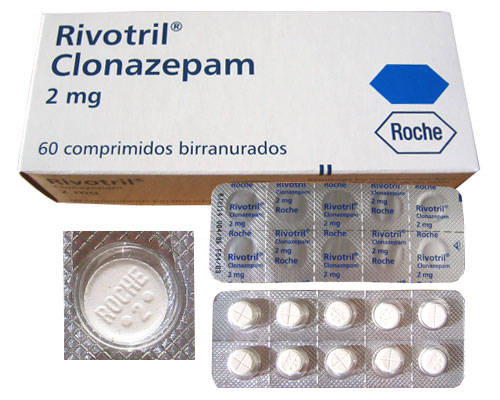
----------------------Benzodiazepine
Dose----------Comparative Time to peak plasma level------------------------Half
Life Alprazolam----------------.5------------------------------------------------1
- 2-----------------------------------------------9 - 20 Clonazepam--------------.25-----------------------------------------------1
- 4----------------------------------------------19 - 60
This chart (from the above link) looks for the
equivalent dose of a given benzo to equal 5 mg of diazepam (valium).
So, you need .5mg of alprazolam (xanax) to equal 5
mg of valium, but you only need .25 mg of clonazepam (klonopin) to equal 5 mg
of valium.
The klonopin is, as you said, slower in action. it
takes up to 4 hours to reach full effect where the xanax will be in full effect
by 2 hours at the latest.
However, klonopin has amuchlonger
half life than xanax, so it will stay in your system longer. The long half life
of klonopin is why doctors like it. You are less likely to become addicted to
it as you do not need to continually take more klonopin throughout the day to
keep anxiety at bay, so you don't get into the habit of "popping
pills" and you don't experience break-through anxiety.
As for getting the same feel from klonopin as you
get from xanax... there is another reason doctors prefer klonopin and that is
that xanax has a mild euphoric effect that klonopin and other benzos do not
have. That mild euphoria increases the chance that patients will become
habituated to and possibly misuse their medication. So, basically, klonopin is
actually stronger than xanax in terms of efficacy, but if what you are looking
for is that mild euphoria, (which isn't what benzos are for) you can't replicate
that.
There are marked
differences in the knowledge on the medical uses of cannabis and cannabinoids
in different diseases. For nausea and vomiting associated with cancer
chemotherapy, anorexia and cachexia in HIV/AIDS, chronic, especially neuropathic
pain, spasticity in multiple sclerosis and spinal cord injury there is strong
evidence for medical benefits. For many other indications, such as epilepsy,
pruritus and depression there is much less available data. However, the
scientific evidence for a specific indication does not necessarily reflect the
actual therapeutic potential for a given disease.
Clinical studies with single cannabinoids or
whole plant preparations (smoked cannabis, cannabis extract) have often been
inspired by positive anecdotal experiences of patients employing crude cannabis
products. The anti-emetic, the appetite enhancing, relaxing effects, analgesia,
and therapeutic use in Tourette's syndrome were all discovered in this manner.
Incidental observations have also revealed
therapeutically useful effects. This occurred in a study with patients with
Alzheimer's disease wherein the primary issue was an examination of the
appetite-stimulating effects of THC. Not only appetite and body weight
increased, but disturbed behaviour among the patients also decreased. The
discovery of decreased intraocular pressure with THC administration in the
beginning of the 1970s was also serendipitous. Additional interesting
indications that have not been scientifically investigated, but remain common
problems in modern medicine may benefit from treatment with cannabis or
cannabinoids. For this reason, surveys have been conducted questioning
individuals that use cannabis therapeutically. They were conducted either as
oral non-standardized interviews in the course of investigations of state or
scientific institutions (House of Lords Select Committee on Science and
Technology in the UK, Institute of Medicine in the USA) on the therapeutic
potential of cannabis or as anonymous surveys using standardized
questionnaires.
Treatment of side effects
associated with antineoplastic therapy is the indication for cannabinoids which
has been most documented, with about 40 studies (THC, nabilone, other THC
analogues, cannabis). Most trials were conducted in the 1980s. THC has to be
dosed relatively highly, so that resultant side effects may occur comparatively
frequently. THC was inferior to high-dose metoclopramide in one study. There
are no comparisons of THC to the modern serotonin antagonists. Some recent
investigations have shown that THC in low doses improves the efficacy of other
antiemetic drugs if given together. In folk medicine cannabinoids are popular
and are often used in other causes of nausea including AIDS and hepatitis.
An appetite enhancing
effect of THC is observed with daily divided doses totalling 5 mg. When
required, the daily dose may be increased to 20 mg. In a long-term study of 94
AIDS patients, the appetite-stimulating effect of THC continued for months,
confirming the appetite enhancement noted in a shorter 6 week study. THC
doubled appetite on a visual analogue scale in comparison to placebo. Patients
tended to retain a stable body weight over the course of seven months. A
positive influence on body weight was also reported in 15 patients with
Alzheimer's disease who were previously refusing food.
In many clinical trials of
THC, nabilone and cannabis, a beneficial effect on spasticity caused by
multiple sclerosis or spinal cord injury has been observed. Among other
positively influenced symptoms were pain, paraesthesia, tremor and ataxia. In
some studies improved bladder control was observed. There is also some
anecdotal evidence of a benefit of cannabis in spasticity due to lesions of the
brain.
There are some positive
anecdotal reports of therapeutic response to cannabis in Tourette's syndrome,
dystonia and tardive dyskinesia. The use in Tourette's syndrome is currently
being investigated in clinical studies. Many patients achieve a modest
improvement, however some show a considerable response or even complete symptom
control. In some MS patients, benefits on ataxia and reduction of tremor have
been observed following the administration of THC. Despite occasional positive
reports, no objective success has been found in parkinsonism or Huntington
disease. However, cannabis products may prove useful in levodopa-induced
dyskinesia in Parkinson disease without worsening the primary symptoms.
Large clinical studies
have proven analgesic properties of cannabis products. Among possible
indications are neuropathic pain due to multiple sclerosis, damage of the
brachial plexus and HIV infection, pain in rheumatoid arthritis, cancer pain,
headache, menstrual pain, chronic bowel inflammation and neuralgias.
Combination with opioids is possible.
In 1971, during a
systematic investigation of its effects in healthy cannabis users, it was
observed that cannabis reduces intraocular pressure. In the following 12 years
a number of studies in healthy individuals and glaucoma patients with cannabis
and several natural and synthetic cannabinoids were conducted. cannabis
decreases intraocular pressure by an average 25-30%, occasionally up to 50%.
Some non-psychotropic cannabinoids, and to a lesser extent, some
non-cannabinoid constituents of the hemp plant also decrease intraocular
pressure.
The use in epilepsy is
among its historically oldest indications of cannabis. Animal experiments
provide evidence of the antiepileptic effects of some cannabinoids. The
anticonvulsant activity of phenytoin and diazepam have been potentiated by THC.
According to a few case reports from the 20th century, some epileptic patients
continue to utililize cannabis to control an otherwise unmanageable seizure
disorder. Cannabis use may occasionally precipitate convulsions.
Experiments examining the
anti-asthmatic effect of THC or cannabis date mainly from the 1970s, and are
all acute studies. The effects of a cannabis cigarette (2% THC) or oral THC (15
mg), respectively, approximately correspond to those obtained with therapeutic
doses of common bronchodilator drugs (salbutamol, isoprenaline). Since
inhalation of cannabis products may irritate the mucous membranes, oral administration
or another alternative delivery system would be preferable. Very few patients
developed bronchoconstriction after inhalation of THC.
According to historical
and modern case reports cannabis is a good remedy to combat withdrawal in
dependency on benzodiazepines, opiates and alcohol. For this reason, some have
referred to it as a gateway drug back. In this context, both the reduction of
physical withdrawal symptoms and stress connected with discontinuance of drug abuse
may play a role in its observed benefits.
An improvement of mood in
reactive depression has been observed in several clinical studies with THC.
There are additional case reports claiming benefit of cannabinoids in other
psychiatric symptoms and diseases, such as sleep disorders, anxiety disorders,
bipolar disorders, and dysthymia. Various authors have expressed different
viewpoints concerning psychiatric syndromes and cannabis. While some emphasize
the problems caused by cannabis, others promote the therapeutic possibilities.
Quite possibly cannabis products may be either beneficial or harmful, depending
on the particular case. The attending physician and the patient should be open
to a critical examination of the topic, and a frankness to both possibilities.
In a number of painful
syndromes secondary to inflammatory processes (e.g. ulcerative colitis,
arthritis), cannabis products may act not only as analgesics but also
demonstrate anti-inflammatory potential. For example, some patients employing
cannabis report a decrease in their need for steroidal and nonsteroidal
anti-inflammatory drugs. Moreover there are some reports of positive effects of
cannabis self-medication in allergic conditions. It is as yet unclear whether
cannabis products may have a relevant effects on causative processes of
autoimmune diseases.
There are a number of positive patient reports on
medical conditions that cannot be easily assigned to the above categories, such
as pruritus, hiccup, ADS (attention deficit syndrome), high blood pressure,
tinnitus, chronic fatigue syndrome, restless leg syndrome, and others. Several
hundreds possible indications for cannabis and THC have been described by
different authors. For example, 2,5 to 5 mg THC were effective in three
patients with pruritus due to liver diseases. Another example is the successful
treatment of a chronic hiccup that developed after a surgery. No medication was
effective, but smoking of a cannabis cigarette completely abolished the
symptoms.
Cannabis products often show very good effects
in diseases with multiple symptoms that encompassed within the spectrum of THC
effects, for example, in painful conditions that have an inflammatory origin
(e.g., arthritis), or are accompanied by increased muscle tone (e.g., menstrual
cramps, spinal cord injury), or in diseases with nausea and anorexia
accompanied by pain, anxiety and depression, respectively (e.g. AIDS, cancer,
hepatitis C).